



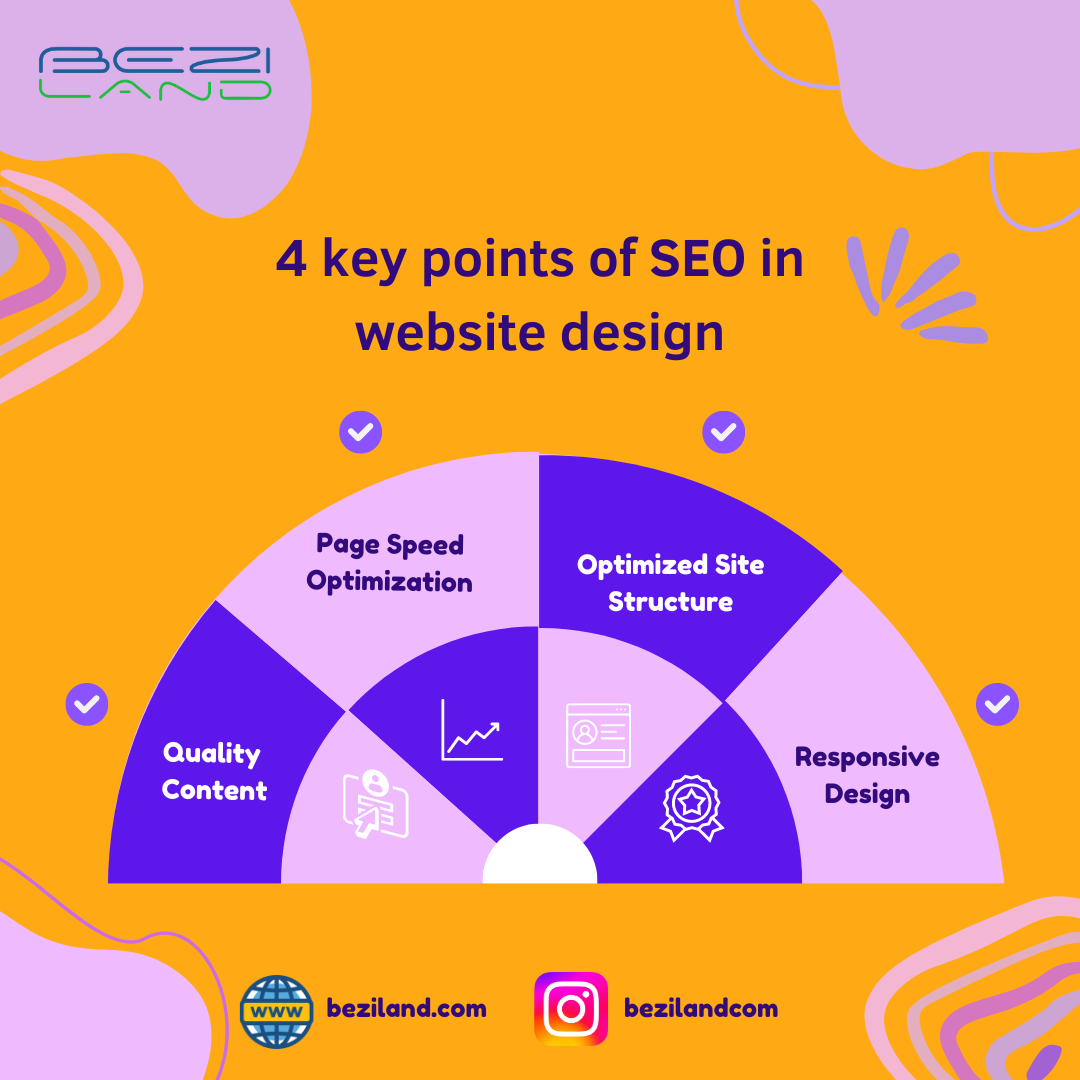
4 key points of SEO in website design
Incorporating Search Engine Optimization (SEO) principles into website design is crucial for improving visibility and driving organic traffic from search engines. Here are four key points to consider:
-
Responsive Design: Ensuring that your website is mobile-friendly is essential for SEO. With the increasing use of mobile devices, search engines like Google prioritize mobile-responsive websites in their rankings. Responsive design ensures that your website displays properly on various screen sizes, providing a seamless user experience across devices.
-
Optimized Site Structure: A well-organized site structure not only helps users navigate your website more easily but also makes it easier for search engine crawlers to index your content. Implementing a logical hierarchy with clear navigation, using descriptive URLs, and creating an XML sitemap can improve your website's crawlability and help search engines understand the relationship between different pages.
-
Quality Content: Content is a fundamental aspect of SEO. Creating high-quality, relevant, and valuable content not only engages users but also attracts search engine traffic. Incorporate targeted keywords naturally within your content, headings, and meta tags, but avoid keyword stuffing, which can have a negative impact on your rankings. Regularly updating your content and adding fresh, informative material can also improve your website's visibility in search results.
-
Page Speed Optimization: Page speed is a critical factor in both user experience and SEO. Search engines prioritize fast-loading websites because they provide a better user experience. Optimizing images, leveraging browser caching, minifying CSS and JavaScript files, and using a content delivery network (CDN) are some strategies to improve your website's loading speed. Additionally, Google's Page Experience update now includes Core Web Vitals as ranking factors, emphasizing the importance of user-centric performance metrics like Largest Contentful Paint (LCP), First Input Delay (FID), and Cumulative Layout Shift (CLS).
By focusing on responsive design, optimized site structure, quality content, and page speed optimization, you can enhance your website's SEO performance and improve its visibility in search engine results pages (SERPs).