
The Psychology Behind Click-Worthy Headlines
Table of Contents
What Makes a Headline Click-Worthy?
A click-worthy headline is one that captures attention, sparks interest, and motivates the reader to take an action—usually a click. Its job is not to tell the whole story, but to make readers want more.
Key elements of a strong headline:
-
Clarity – Readers should instantly understand what they’ll get.
-
Emotion – Headlines that make people feel something get more clicks.
-
Relevance – The headline must align with the audience’s needs.
-
Specificity – Numbers, details, and precision build credibility.
-
Brevity – Short, punchy headlines outperform long, vague ones.
In the competitive world of online content, the headline often determines whether your article thrives or gets buried.
The Psychology Behind Attention
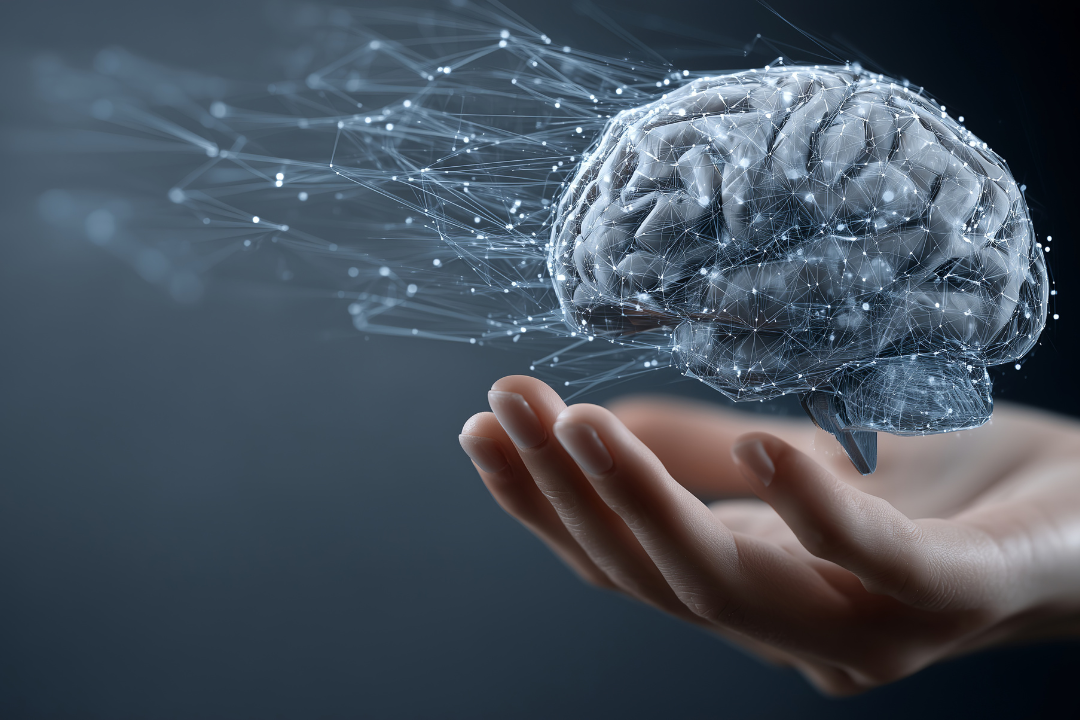
To craft irresistible headlines, one must first understand how the human brain processes information. Our cognitive systems filter thousands of messages daily, prioritizing only those that seem important, useful, or emotionally charged.
Our brains are wired for survival — not endless scrolling.
Headlines that trigger emotion or offer clear value hijack attention more effectively than neutral ones. This is because they tap into the amygdala, the part of the brain responsible for emotional responses. When activated, it influences what people decide to read or ignore.
The brain responds to:
-
Novelty – Anything new or unexpected
-
Reward – Promise of value or gain
-
Threat – Fear-based language
-
Mystery – Unanswered questions
These psychological elements form the foundation of click-worthy headline creation.
Emotional Triggers That Drive Clicks
Curiosity
Curiosity is one of the most powerful motivators in human psychology. When a headline hints at information without fully revealing it, the brain feels compelled to fill in the gap.
Examples:
-
“You Won’t Believe What Happened When…”
-
“The One Mistake You Don’t Realize You’re Making…”
This technique taps into the information gap theory, which states that people feel a strong desire to close the gap between what they know and what they want to know.
Fear of Missing Out (FOMO)
FOMO-driven headlines leverage urgency and exclusivity. People naturally fear being left behind or missing important opportunities.
Examples:
-
“Don’t Miss These Limited-Time Tips…”
-
“Why Everyone Is Talking About This New Strategy (Except You)”
This emotional trigger works especially well in email subject lines and product launches.
Desire for Value
Headlines that promise something useful—knowledge, shortcuts, savings—resonate deeply. Readers want to know they’ll gain something from clicking.
Examples:
-
“10 Quick Hacks to Improve Your Productivity Today”
-
“The Ultimate Guide to Saving Money on Every Purchase”
Value-driven headlines often include numbers or superlatives to boost perceived usefulness.
Social Proof
People trust what others find helpful or popular. Headlines leveraging social validation drive clicks because humans are wired to follow group behavior.
Examples:
-
“The Most Shared Article of the Year”
-
“Experts Agree: This Is the Best Way to…”
Social proof reassures readers that the content is credible and worth their time.

The Role of Cognitive Biases
Cognitive biases are mental shortcuts that influence how people interpret information. Great headlines skillfully incorporate these biases.
1. The Anchoring Effect
This bias occurs when individuals rely too heavily on the first piece of information they encounter.
Good headline example:
“Start Earning an Extra $500 a Week With These Simple Steps”
The number becomes the “anchor,” making the value seem significant.
2. The Bandwagon Effect
People tend to adopt behaviors that others are doing.
Example:
“Why Millions Are Switching to This New Weight-Loss Strategy”
It implies that the reader should join in.
3. Loss Aversion
Psychology tells us that people fear loss more than they value gain.
Example:
“Stop Wasting Money on Ineffective Marketing Tools”
This makes readers want to avoid a negative outcome.
4. The Curiosity Gap
Mentioned earlier, this bias drives people to click when they feel incomplete information.
Headline Formulas That Work
While creativity is essential, proven headline formulas can help guide your writing.
1. The Listicle Headline
Numbers attract attention and imply structure.
Formula:
X Ways to Achieve Y
Examples:
-
“7 Tricks to Boost Your Website Traffic Today”
-
“12 Signs Your Business Is Ready to Scale”
2. The How-To Headline
These instantly communicate value.
Formula:
How to Accomplish X Without Y
Examples:
-
“How to Build a Brand Without Breaking the Bank”
-
“How to Stay Productive When You Feel Unmotivated”
3. The Question Headline
Questions automatically activate the reader’s brain.
Formula:
Have You Ever Wondered Why X Happens?
Example:
-
“Are You Making These Common Digital Marketing Mistakes?”
4. The Command Headline
Direct and authoritative.
Formula:
Do X Now to Get Y
Example:
-
“Try These Copywriting Techniques to Boost Your Sales”
5. The Emotional Headline
Appeals to feelings, empathy, or desire.
Example:
-
“Why Your Dreams Deserve More Than a 9-to-5 Routine”
SEO and Headlines: Finding the Balance
SEO matters—not just for ranking, but for visibility. However, over-optimization can make headlines sound robotic.
Best practices for SEO-friendly headlines:
-
Include primary keywords naturally
-
Keep headline length between 55–70 characters
-
Place important words near the beginning
-
Avoid keyword stuffing
A great headline balances psychology with SEO. It should satisfy both search engines and human readers.
Common Mistakes to Avoid
Even experienced writers fall into headline traps.
1. Being Too Vague
Vagueness kills curiosity.
Weak: “Amazing Tips for You”
Better: “5 Amazing Tips to Improve Your Morning Routine”
2. Over-Promising
Clickbait may attract clicks, but it destroys trust. Always deliver on the headline’s promise.
3. Using Overcomplicated Language
Simple is powerful.
Avoid jargon and overly long titles.
4. Ignoring Your Audience
A headline must reflect what your readers care about—not what sounds clever to you.
Conclusion
Crafting click-worthy headlines is both an art and a science. By understanding human psychology—curiosity, fear, desire, and cognitive biases—you can write titles that resonate with readers and inspire action.
Whether you're a blogger, marketer, entrepreneur, or social media creator, the strategies in this guide can help you master the craft of compelling headline writing. Start experimenting, stay authentic, and always prioritize your audience’s needs.
Ready to elevate your content? Start applying these psychological techniques to your next headline and watch your engagement soar.
FAQ
1. What makes a headline “click-worthy”?
A click-worthy headline grabs attention, sparks emotion, and motivates the reader to engage by offering clear value or piquing curiosity.
2. How long should a headline be?
Ideally 55–70 characters. This length performs well for both SEO and readability.
3. Do numbers really help in headlines?
Yes! Numbers provide clarity, structure, and credibility—making readers more likely to click.
4. Are clickbait headlines effective?
Short-term, yes. Long-term, no. Misleading headlines damage trust and hurt brand reputation.
5. How does psychology influence headline success?
Psychology affects attention, emotion, and decision-making. Headlines that tap into curiosity, urgency, or value perform best.
6. What is the curiosity gap?
It’s the gap between what someone knows and what they want to know—triggering a desire to click and fill the missing information.
7. Should I optimize headlines for SEO?
Yes, but naturally. Focus on clarity and human appeal first, then adjust for keywords.
8. Are emotional words important?
Absolutely. Emotionally charged words increase engagement and make headlines more compelling.
9. Can I use templates for every headline?
Templates are starting points, but originality is essential. Tailor them to your audience and message.
10. How can I test which headlines perform best?
A/B testing is the most reliable method—try different versions and compare results.