


Backlink Strategy: How to Get High-Quality Links in 2025
Table of Contents

Why Backlinks Matter in 2025
Backlinks continue to be a cornerstone of search engine optimization. They help search engines determine the credibility and relevance of your website. When a high-authority domain links to your content, Google interprets that as a vote of confidence.
Key benefits of backlinks:
-
Boost domain authority and rankings
-
Drive referral traffic from relevant websites
-
Enhance brand visibility and trust
-
Help search engines crawl your site faster
However, not all backlinks are equal. In 2025, Google’s algorithms have become smarter at detecting manipulative link-building tactics, making authenticity the new currency of SEO success.

What Makes a High-Quality Backlink?
Before building links, it’s essential to understand what defines quality. A high-quality backlink is one that comes from a relevant, authoritative, and trustworthy source.
Criteria for a high-quality backlink:
-
Relevance: The linking site’s content should align with your niche.
-
Authority: Links from reputable domains (high Domain Rating or Authority).
-
Anchor Text: Natural and descriptive anchor text, not over-optimized.
-
Traffic Value: The linking page itself receives organic traffic.
-
Placement: Links placed within editorial content carry more weight than footer or sidebar links.
Example: A backlink from HubSpot to a marketing guide on your site is far more valuable than a random comment link on a low-quality forum.
Top Backlink Strategies for 2025
1. Create Link-Worthy Content
Content is still the king of link-building. In 2025, the most effective strategy is to create original, insightful, and data-driven content that naturally attracts backlinks.
Types of link-worthy content:
-
Industry reports or studies
-
Ultimate guides and tutorials
-
Infographics and visual content
-
Case studies with real results
-
Interactive tools or calculators
Pro Tip: Use platforms like Ahrefs or BuzzSumo to find top-performing content in your niche and identify what earns the most backlinks.
2. Leverage Digital PR
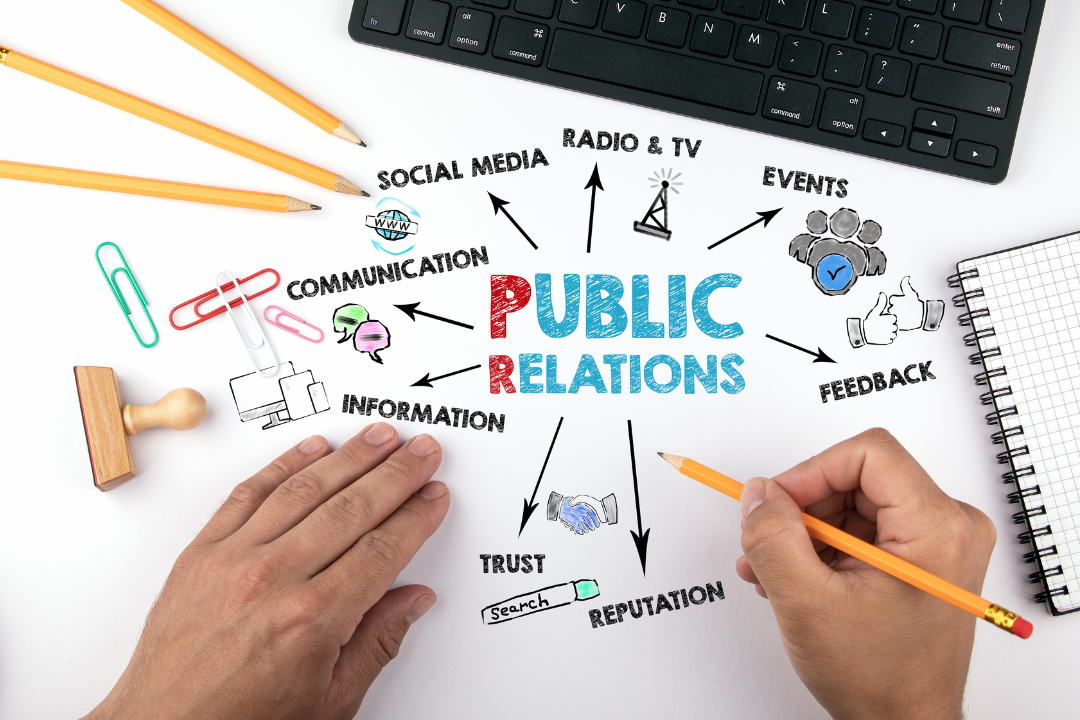
Digital PR is the evolution of traditional public relations, but with a focus on earning backlinks and brand mentions.
Tactics include:
-
Publishing press releases for new product launches
-
Creating data-driven stories that journalists want to cite
-
Collaborating with influencers or experts
-
Pitching unique industry insights to media outlets
When done right, a single PR campaign can earn dozens of high-quality backlinks from trusted news sites.
3. Build Links Through Partnerships
Forming strategic partnerships with relevant brands, organizations, or associations can create natural link opportunities.
Examples:
-
Co-authoring research or whitepapers
-
Sponsoring community events or webinars
-
Partnering on podcasts or expert roundups
These collaborations not only bring backlinks but also strengthen relationships within your industry.
4. Guest Posting with Purpose
Guest posting remains effective in 2025, but the key is quality over quantity. Focus on contributing to high-authority, relevant websites in your niche.
Best practices for guest posting:
-
Pitch unique topics that offer value
-
Write for audiences, not just for links
-
Include your link naturally within the content
-
Avoid PBNs or low-quality guest post farms
Guest posts also enhance your personal brand and establish thought leadership.
5. Broken Link Building
Broken link building is a timeless technique that involves finding broken links on websites in your niche and suggesting your content as a replacement.
How to do it:
-
Use tools like Ahrefs or Check My Links to find broken links.
-
Identify relevant opportunities on authority sites.
-
Reach out with a polite message offering your link as a fix.
This method helps both parties—you gain a backlink, and they improve their user experience.
6. HARO and Journalist Outreach
Help a Reporter Out (HARO) connects journalists with sources. By providing expert quotes, you can earn backlinks from major publications like Forbes, Entrepreneur, and Business Insider.
Steps:
-
Sign up for HARO or similar platforms (Qwoted, Terkel, etc.)
-
Monitor daily emails for relevant queries
-
Respond with concise, insightful answers
Consistency is key—a few strong placements can dramatically boost your authority.
7. Utilize Social Signals and Brand Mentions
While social media links are typically nofollow, they influence your content visibility and engagement. Increased visibility leads to natural backlinks.
Tips to maximize social signals:
-
Share content across multiple social platforms
-
Encourage user-generated content and shares
-
Build communities around your brand
Additionally, monitor brand mentions using tools like Google Alerts or Mention. Reach out to sites that mention your brand without linking—many will happily add a backlink when asked.
Tools to Help You Build Backlinks
| Tool | Purpose | Best For |
|---|---|---|
| Ahrefs | Link analysis, backlink discovery | Comprehensive SEO insights |
| Semrush | Competitor backlink tracking | Strategy development |
| BuzzSumo | Content performance and outreach | Identifying linkable content |
| Pitchbox | Email outreach automation | Scalable link-building campaigns |
| Hunter.io | Finding contact emails | Outreach and prospecting |
These tools streamline the process, helping you identify opportunities, track performance, and maintain an ethical approach to link-building.
Common Mistakes to Avoid
Even seasoned SEO professionals can make link-building errors. Here are the most common pitfalls:
-
Buying links: Risk of penalties and deindexing.
-
Ignoring relevance: Links from irrelevant sites don’t help rankings.
-
Over-optimized anchors: Looks spammy and unnatural.
-
Focusing only on DA: Metrics aren’t everything—context matters.
-
Neglecting relationships: Link-building is about people, not just URLs.
Avoiding these mistakes ensures your backlink profile remains strong and sustainable.
Conclusion
In 2025, successful backlink strategies revolve around authenticity, quality, and relationships. Building high-quality links isn’t about shortcuts—it’s about creating value, fostering partnerships, and earning trust in your niche.
Start by producing content worth linking to, engage in genuine outreach, and leverage PR opportunities. Over time, your efforts will compound, driving both authority and organic growth.
Ready to build a backlink strategy that works? Begin today with one of these tactics and watch your rankings rise.
FAQs
1. Are backlinks still important for SEO in 2025?
Absolutely! Backlinks remain a top ranking factor, though quality and relevance now outweigh volume.
2. What’s the fastest way to get backlinks?
The fastest methods include digital PR, HARO, and leveraging existing relationships for mentions or collaborations.
3. How can I check the quality of a backlink?
Use tools like Ahrefs or Moz to check domain authority, traffic, and relevance of the linking site.
4. Should I buy backlinks?
No. Buying backlinks violates Google’s guidelines and can lead to penalties or ranking drops.
5. How long does it take to see results from link-building?
Typically, 2-3 months, depending on your domain’s age, competition, and link velocity.
6. What is a natural backlink?
A natural backlink is earned organically, without solicitation, because someone found your content valuable.
7. How many backlinks do I need to rank?
There’s no fixed number—it depends on keyword competition and the quality of your existing links.
8. Are nofollow links valuable?
Yes, they add diversity to your link profile and can drive referral traffic even without passing SEO authority.
9. What’s the difference between link-building and digital PR?
Link-building focuses on SEO value, while digital PR emphasizes visibility, credibility, and relationships.