

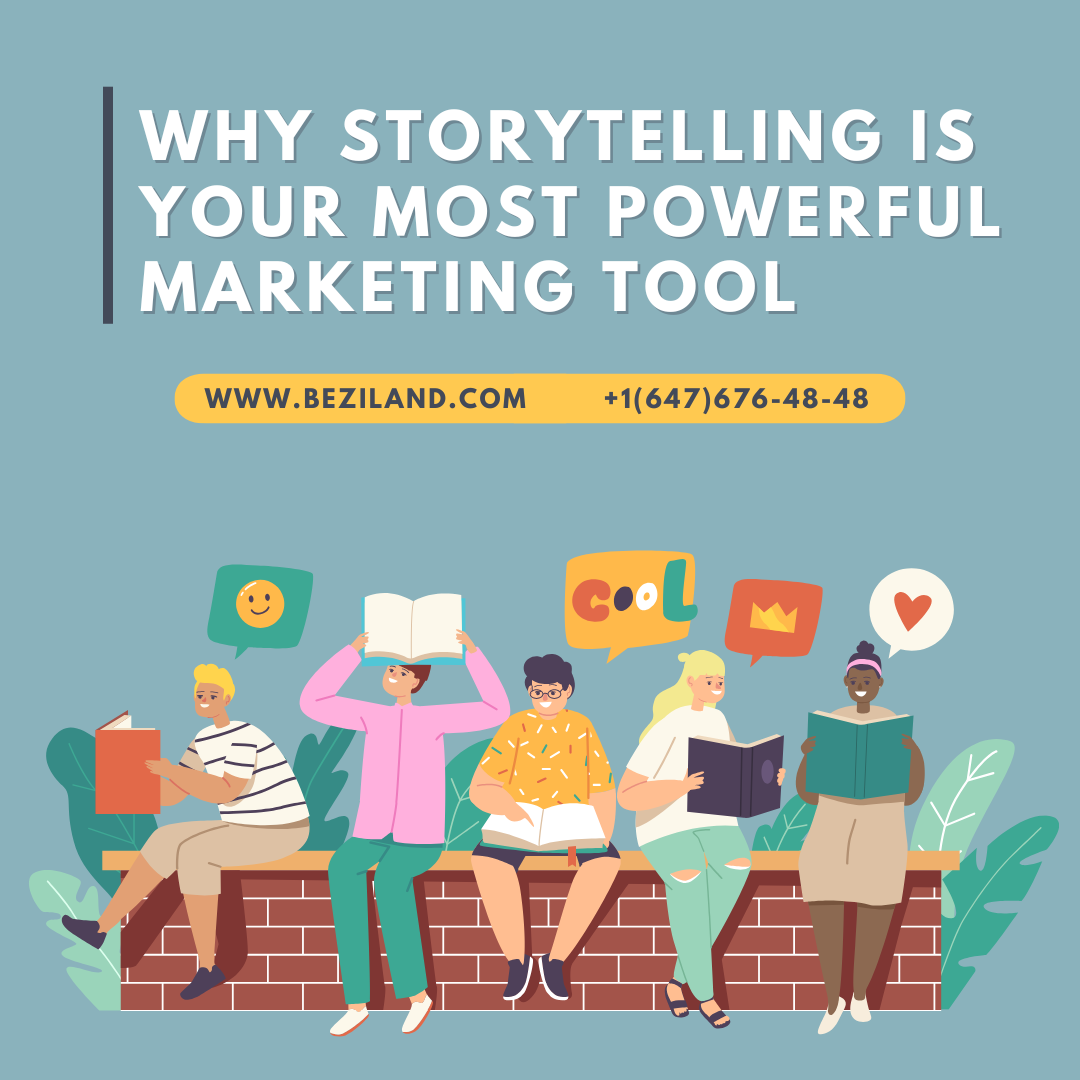
Why Storytelling Is Your Most Powerful Marketing Tool
Table of Contents

What Is Storytelling in Marketing?
Storytelling in marketing is the art of creating and sharing a narrative that resonates with your audience on an emotional level while reinforcing your brand message. Instead of pushing facts and figures, you engage people through a relatable journey.
Think of it as the difference between:
-
Saying: “Our shoes are comfortable and durable.”
-
Versus: “John walked 500 miles across the Appalachian Trail in these shoes—and they never gave up on him.”
Why Storytelling Works: The Science Behind It
1. We’re Hardwired for Stories
Neuroscience tells us that stories activate more areas of the brain than data alone. They trigger sensory, emotional, and memory-related responses, making messages more memorable.
2. Stories Build Emotional Connections
People buy based on emotions and justify with logic. When a brand makes them feel inspired, understood, or empowered, they’re more likely to take action.
3. Narratives Simplify Complex Ideas
Complex products or services can be understood faster when wrapped in a story. It’s how tech companies explain innovation in a way that makes sense to everyday users.

The Core Elements of a Powerful Brand Story
| Element | Description | Example |
|---|---|---|
| Character | The hero of the story—often your customer. | A small café owner struggling to compete with big chains. |
| Conflict | The challenge or problem to overcome. | Rising rent costs, fewer customers. |
| Resolution | How your brand or product helps solve the problem. | A social media campaign that drives local support. |
| Emotion | The feeling you want your audience to experience. | Hope, pride, empowerment. |
| Message | The takeaway or core brand value. | “Local businesses are worth fighting for.” |
Types of Storytelling in Marketing
1. Origin Stories
Explain how and why your business started. People love “started in a garage” narratives.
2. Customer Success Stories
Highlight how a real customer overcame a challenge with your product or service.
3. Visionary Stories
Paint a picture of the future you’re working toward and invite customers to join.
4. Values-Driven Stories
Share how your brand lives its values—such as sustainability, equality, or innovation.
5. Behind-the-Scenes Stories
Show the human side of your company, your team’s passion, and your work culture.

How to Craft Your Brand Story
-
Know Your Audience
-
Understand their values, struggles, and aspirations.
-
Speak their language.
-
-
Define Your Core Message
-
Keep it simple and memorable.
-
Make sure it aligns with your brand mission.
-
-
Choose the Right Format
-
Blog posts, videos, podcasts, infographics, or social media threads.
-
-
Use a Clear Structure
-
Beginning: Introduce the character and setting.
-
Middle: Present the challenge or tension.
-
End: Deliver the resolution and takeaway.
-
-
Be Authentic
-
Avoid exaggeration or inauthentic claims.
-
Real stories resonate more than polished but empty narratives.
-
Real-World Examples of Storytelling Done Right
-
Nike – “Just Do It” Campaign
Nike doesn’t just sell shoes; it sells the belief that anyone can achieve greatness with determination. Their ads often center on athletes overcoming odds. -
Airbnb – Customer Hosts Stories
Airbnb showcases real hosts and guests, sharing personal journeys of travel, cultural exchange, and belonging. -
Patagonia – Environmental Activism
Patagonia’s marketing consistently tells stories about protecting the planet, connecting deeply with eco-conscious consumers.
Common Storytelling Mistakes to Avoid
-
Making Your Brand the Hero Instead of the Customer
Customers should see themselves as the main character. Your brand is the guide, not the star. -
Overcomplicating the Story
Too many details can confuse the audience. Keep it concise. -
Lack of Emotional Pull
Facts without feeling won’t inspire action. -
Inconsistency Across Platforms
Your story should feel the same whether someone sees it in an ad, on your website, or in a tweet.
Measuring the Impact of Storytelling
-
Engagement Metrics – Likes, shares, comments, and watch time.
-
Brand Recall – Surveys or brand recognition tests.
-
Conversion Rates – How many story-driven campaigns lead to sales or sign-ups.
-
Customer Loyalty – Repeat purchase rates and Net Promoter Scores.
Conclusion
Storytelling is more than a marketing tactic—it’s the heartbeat of brand communication. It allows you to connect deeply, inspire action, and create lasting loyalty. When done right, it turns customers into advocates and products into legends. If you want to cut through the noise, stop selling features and start telling stories.
FAQs
1. Why is storytelling more effective than traditional advertising?
Because it connects emotionally, making your brand more memorable and relatable.
2. Can small businesses use storytelling effectively?
Absolutely. In fact, smaller brands often have the advantage of being more authentic and personal.
3. How long should a marketing story be?
As long as it keeps the audience engaged. Short social media stories and longer blog posts both work if done well.
4. What platforms are best for brand storytelling?
Video platforms like YouTube, Instagram Reels, and TikTok are powerful, but blogs, podcasts, and email campaigns also work well.
5. How do I find stories for my brand?
Look at customer testimonials, your brand’s origin, or everyday moments in your business.
6. Should I hire a professional storyteller or agency?
If budget allows, yes. They can refine your narrative and ensure consistency.
7. Is visual storytelling important?
Yes—images and videos can make your narrative more impactful and emotionally engaging.
8. Can storytelling improve SEO?
Yes, engaging stories keep visitors on your site longer, signaling search engines that your content is valuable.
9. How often should I share stories?
Regularly enough to stay relevant but not so often that quality suffers.
10. What’s the first step to start storytelling in marketing?
Define your core message and understand your audience before crafting your first story.