



SEO vs. SEM: Which One Should You Invest In?
Table of Contents
SEO vs. SEM: Which One Should You Invest In?
What is SEO?
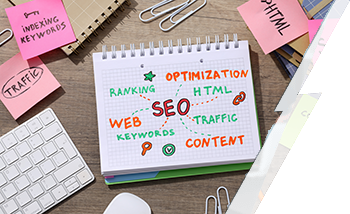
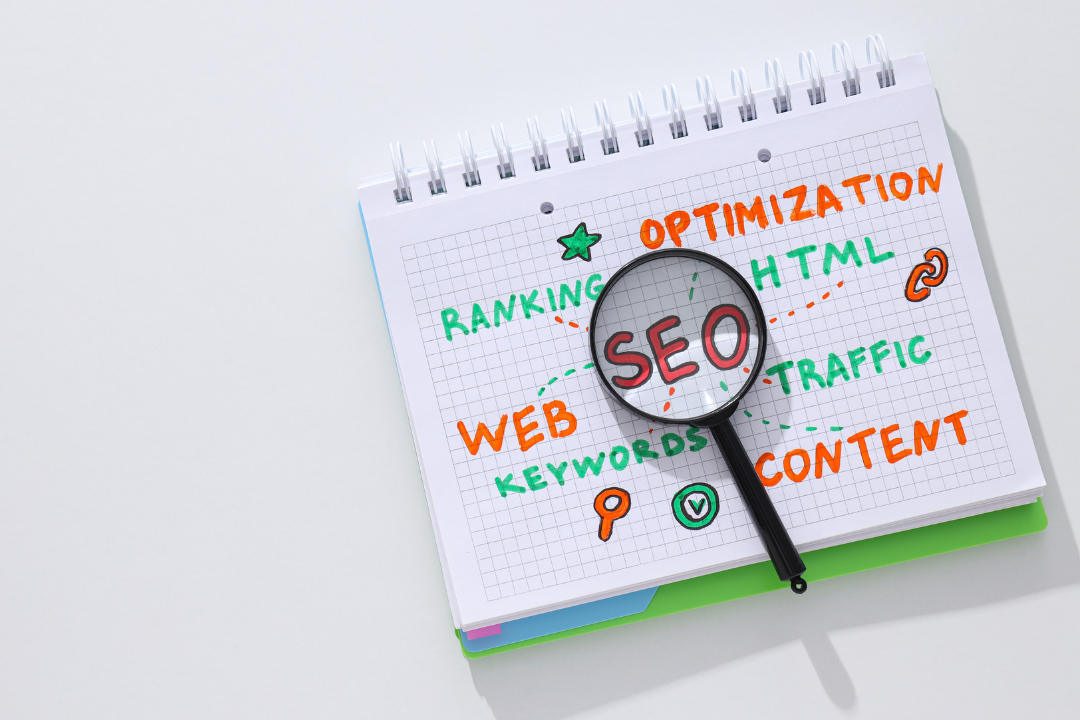
Search Engine Optimization (SEO) is the practice of optimizing your website to rank higher in organic search engine results. It involves:
-
Keyword research and usage
-
High-quality content creation
-
On-page optimization (meta tags, URLs, alt text)
-
Technical SEO (site speed, mobile-friendliness)
-
Link building
Benefits of SEO:
-
Cost-effective in the long run
-
Sustainable traffic over time
-
Builds credibility and trust
-
Higher click-through rates for organic listings
What is SEM?
Search Engine Marketing (SEM) is a broader digital marketing strategy that includes paid advertising to increase visibility on search engines. The most common form of SEM is Pay-Per-Click (PPC) advertising.
Key SEM Components:
-
Paid search ads (Google Ads, Bing Ads)
-
Ad copy and keyword targeting
-
Bidding strategy and budget management
-
Landing page optimization
Benefits of SEM:
-
Instant visibility and traffic
-
Highly targeted audience reach
-
Easy to measure and adjust
-
Can be scaled quickly
Key Differences Between SEO and SEM
| Feature | SEO | SEM |
|---|---|---|
| Cost | Lower long-term | Higher ongoing cost |
| Speed | Slower results | Immediate results |
| Longevity | Long-lasting | Ends when budget runs out |
| Placement | Organic results | Paid ads at top and bottom |
| Trust Factor | Higher | Lower due to ad tag |
Pros and Cons of SEO
Pros:
-
Cost-effective
-
Long-term ROI
-
Builds domain authority
-
Higher user trust
Cons:
-
Takes time to see results
-
Algorithm changes can impact rankings
-
Requires ongoing content and technical upkeep
Pros and Cons of SEM
Pros:
-
Fast results
-
Controlled targeting
-
Detailed analytics
-
Easy A/B testing
Cons:
-
Ongoing expense
-
Clicks stop when budget ends
-
Can be competitive and costly

When to Use SEO vs. SEM
Choose SEO If:
-
You have a limited budget
-
You want sustainable long-term growth
-
You're building brand authority
Choose SEM If:
-
You need quick results
-
You’re running a time-sensitive campaign
-
You have a dedicated ad budget
Integrating SEO and SEM for Maximum Impact
SEO and SEM are not mutually exclusive. In fact, using them together can create a powerful synergy.
How to Combine Them:
-
Use SEM for initial traffic and testing
-
Apply insights from SEM to refine SEO keywords
-
Optimize landing pages for both SEO and SEM
-
Use SEO for evergreen content and SEM for seasonal promotions
Conclusion
Choosing between SEO and SEM depends on your specific business needs, goals, and budget. SEO is ideal for long-term, sustainable growth, while SEM offers immediate visibility and control. Often, the best approach is a balanced combination of both.
Ready to boost your online presence? Evaluate your marketing goals and choose the strategy—or combination—that aligns best with your business.
FAQs
1. Is SEO better than SEM?
Not necessarily. SEO is better for long-term growth, while SEM is ideal for quick wins and targeted campaigns.
2. How much should I budget for SEM?
Budgets vary, but small businesses typically start with $500–$1,000/month. Adjust based on competition and ROI.
3. Can I do SEO and SEM at the same time?
Yes! Using both can help you dominate search engine results pages (SERPs) and maximize traffic.
4. How long does SEO take to show results?
Typically, 3 to 6 months. Factors include competition, website quality, and keyword difficulty.
5. What tools can help with SEO and SEM?
Popular tools include Google Analytics, SEMrush, Ahrefs, Moz, and Google Ads.
6. Is SEM only Google Ads?
No. SEM includes Bing Ads and other search engine ad platforms, though Google is the most popular.
7. Which has a better ROI—SEO or SEM?
SEO usually has a better long-term ROI, but SEM can yield fast, measurable returns.
8. Can SEM hurt my SEO?
No, they operate separately. However, poor landing pages or duplicate content can affect SEO performance.
9. What’s a good strategy for a new website?
Start with SEM for traffic, and gradually invest in SEO to build long-term visibility.
10. How do I track SEM and SEO performance?
Use tools like Google Analytics, Google Search Console, and ad platform dashboards for insights and metrics.