


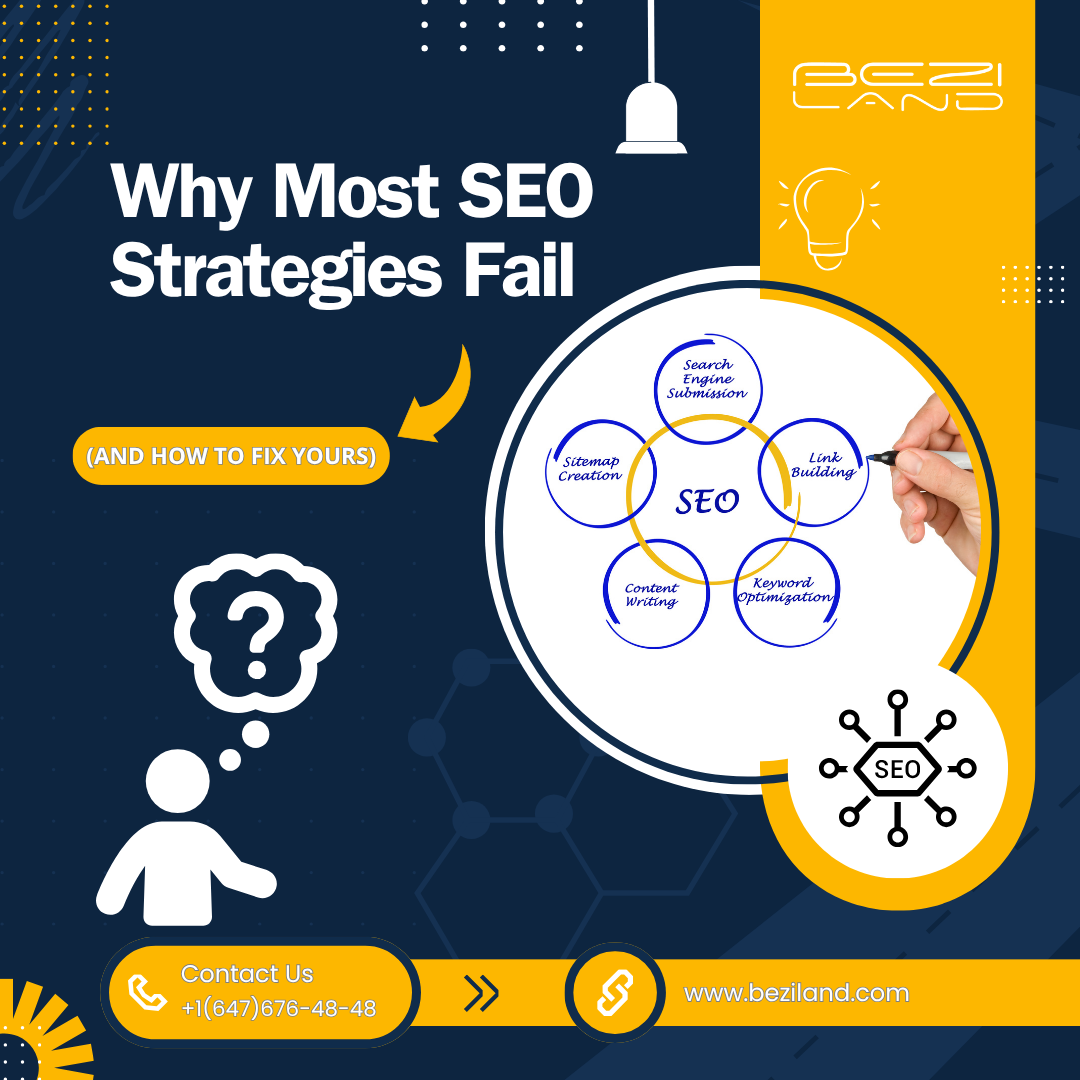
Why Most SEO Strategies Fail (And How to Fix Yours)
Table of Contents
H1: Why Most SEO Strategies Fail (And How to Fix Yours)
H2: The Real Reasons SEO Strategies Fail
Let’s start by dissecting the common pitfalls that lead to failure:
H3: 1. Chasing Algorithms, Not Users
Search engines are designed to serve users—not SEOs. Many marketers optimize for bots instead of creating valuable, user-first content.
Fix: Focus on user intent. Create content that answers real questions and offers clear, helpful solutions.
H3: 2. Outdated Tactics Still in Use
Stuffing keywords, building low-quality backlinks, and spinning articles still happen—despite Google’s penalties against them.
Fix: Stay current. Follow official Google updates and trusted SEO blogs to avoid outdated practices.
H3: 3. Poor Content Strategy
SEO is not just technical; it’s deeply tied to content marketing. Thin, irrelevant, or poorly structured content won’t rank—period.
Fix: Build a content strategy around topic clusters, value-driven insights, and consistent publishing.
H3: 4. Lack of Patience and Consistency
SEO is a long game. Many strategies fail because businesses abandon them after a few months without seeing results.
Fix: Set realistic timelines (6–12 months). Monitor progress and commit to consistent effort.

H2: Common SEO Mistakes to Avoid
Avoiding these mistakes can save months of frustration:
| Mistake | Why It Fails | Better Approach |
|---|---|---|
| Keyword Stuffing | Hurts readability, gets penalized | Use natural language and semantic keywords |
| Ignoring Mobile UX | Majority of users are on mobile | Optimize site speed, layout, and navigation |
| Buying Links | Risk of penalty and poor-quality traffic | Build backlinks through outreach and guest posts |
| No Internal Linking | Misses out on structure and SEO juice | Create a logical internal link structure |
| Ignoring Analytics | Flying blind | Use tools like GA4, GSC, Ahrefs, SEMrush |
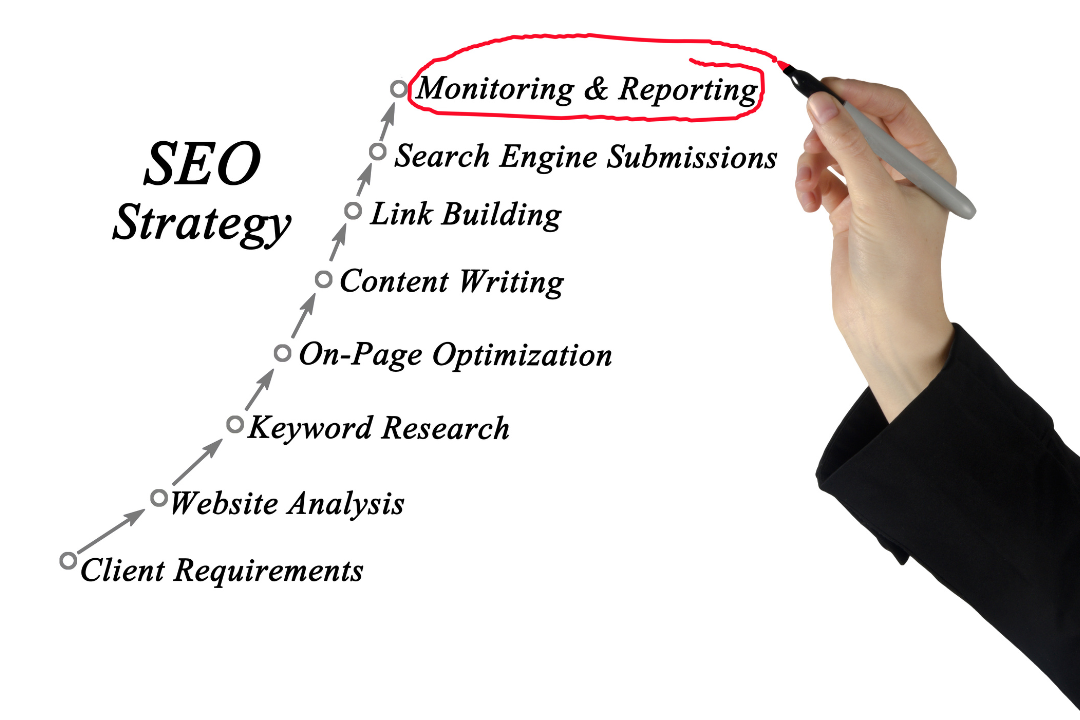
H2: How to Fix Your SEO Strategy (Step-by-Step)
Revive your SEO efforts with a well-structured game plan:
H3: 1. Audit Your Existing Site
-
Use tools like Screaming Frog, Ahrefs, or SEMrush
-
Check for broken links, duplicate content, and crawl errors
-
Evaluate technical SEO (site speed, mobile-friendliness)
H3: 2. Redefine Your Goals
Set SMART SEO goals:
-
Specific: Increase organic traffic by 25%
-
Measurable: Track via Google Analytics/Search Console
-
Achievable: Based on current performance and resources
-
Relevant: Align with business objectives
-
Time-bound: Set deadlines for goals
H3: 3. Build a Keyword Strategy Based on Intent
Don’t just go for high-volume keywords. Instead:
-
Map keywords to the buyer’s journey
-
Include long-tail and semantic variations
-
Use tools like AnswerThePublic and Surfer SEO
H3: 4. Create Content That Solves Problems
Types of high-impact content:
-
How-to guides
-
Case studies
-
Pillar pages with topic clusters
-
Videos and infographics
H3: 5. Optimize On-Page Elements
-
Title tags and meta descriptions
-
Header structure (H1, H2, H3…)
-
Internal links and anchor text
-
Image alt text and file names
H3: 6. Strengthen Your Backlink Profile
-
Reach out to related blogs for guest posting
-
Use HARO (Help A Reporter Out) for mentions
-
Repurpose content into shareable formats (like LinkedIn carousels)
H2: Tools and Metrics to Track SEO Success
Here’s what you should monitor regularly:
| Metric | Tool | Why It Matters |
|---|---|---|
| Organic Traffic | Google Analytics | Indicates visibility |
| Keyword Rankings | Ahrefs, SEMrush | Measures SERP improvements |
| Bounce Rate | GA4 | Shows content engagement |
| Click-Through Rate | GSC | Reveals how compelling your metadata is |
| Backlink Profile | Ahrefs, Moz | Gauges authority and trust |
Bonus tip: Set up dashboards in Looker Studio for at-a-glance reporting.
H2: Future-Proofing Your SEO Strategy
To keep winning in the SEO game, you must evolve:
H3: Embrace AI and Search Intent Evolution
Search engines are increasingly using AI to understand context. This means:
-
Write naturally and informatively
-
Optimize for topics, not just keywords
H3: Prioritize E-E-A-T (Experience, Expertise, Authoritativeness, Trust)
Google values:
-
Author bios and credentials
-
Citations and credible sources
-
Secure websites (HTTPS)
H3: Go Beyond Google
Diversify your traffic sources:
-
YouTube SEO
-
Pinterest (great for visual content)
-
Amazon and Etsy SEO (for eCommerce)
Conclusion
If your SEO strategy isn’t delivering the results you want, don’t worry—you’re not alone. The key is recognizing what’s broken and making thoughtful, data-driven changes. By focusing on user intent, building valuable content, and staying updated with industry trends, your SEO efforts will start paying off.
Ready to take your SEO to the next level? Start with an audit, redefine your goals, and implement the fixes outlined above. It’s never too late to turn things around.
FAQ Section
Q1: How long does it take to see SEO results?
Answer: Typically, 3–6 months for noticeable results, but 6–12 months for consistent growth depending on competition and effort.
Q2: What’s more important—on-page or off-page SEO?
Answer: Both matter. On-page SEO helps with visibility and structure; off-page SEO (like backlinks) builds authority.
Q3: How do I know if my keywords are working?
Answer: Use rank tracking tools (like Ahrefs or SEMrush) and monitor traffic to those pages. If rankings or traffic are increasing, your keywords are working.
Q4: Is it okay to reuse content?
Answer: Avoid duplicating content. Repurposing is fine (e.g., turning a blog into a video or infographic), but always offer unique value.
Q5: Do meta descriptions affect rankings?
Answer: Not directly, but they impact click-through rates—which indirectly influence SEO performance.
Q6: Should I hire an SEO agency or do it myself?
Answer: If you have time and willingness to learn, DIY can work. But for faster, scalable results, a reputable agency can be a smart investment.
Q7: What’s a good bounce rate?
Answer: A bounce rate between 40–60% is average. Lower is better, but it also depends on the type of content and user intent.
Q8: Can social media improve SEO?
Answer: Indirectly. Social shares can increase visibility and traffic, which can lead to backlinks and better engagement metrics.
Q9: Are backlinks still important in 2025?
Answer: Absolutely. Quality backlinks remain one of the top ranking factors—focus on relevance and trustworthiness.
Q10: What’s the #1 tip for SEO beginners?
Answer: Focus on creating high-quality, helpful content that solves real problems—and be consistent.