


How Search Engines Work: Crawling, Indexing & Ranking Explained
Table of Contents

1. Crawling: How Search Engines Discover Web Pages
What is Crawling?
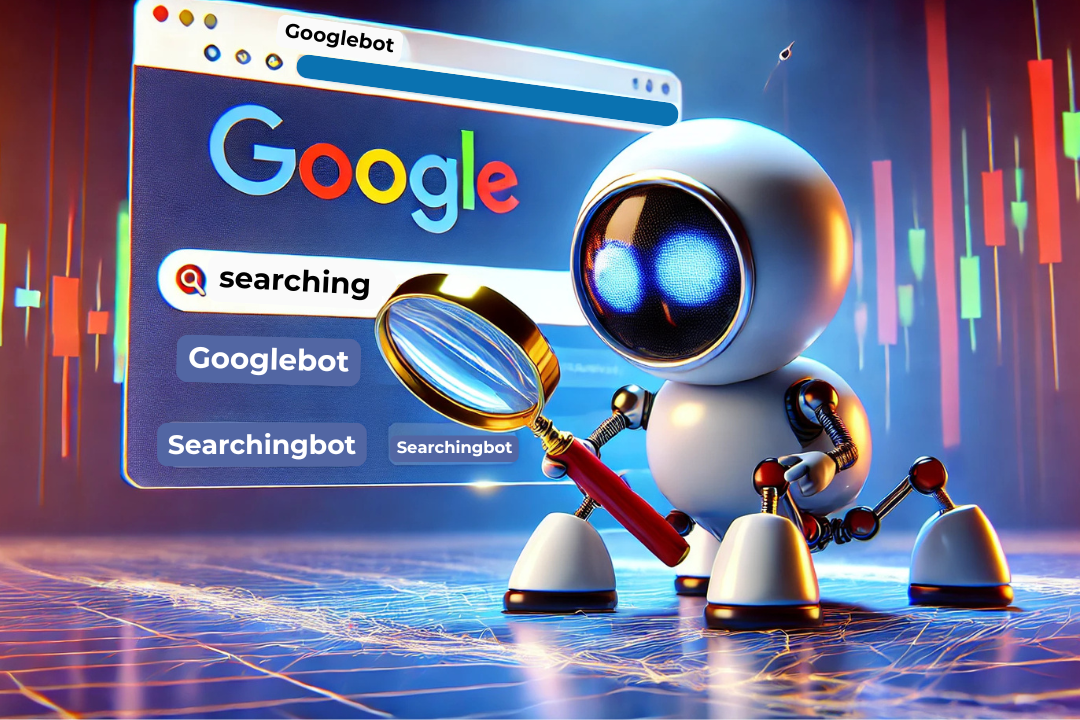
Crawling is the process where search engine bots (also called spiders or crawlers) scan the internet for new and updated web pages. Google’s bot, known as Googlebot, follows links from one page to another to find and store information.
How Crawlers Work
- They start with a list of known URLs (like previously indexed pages or submitted sitemaps).
- They visit each page and extract links to discover new pages.
- They analyze content, images, and metadata to understand the page.
Real-World Example of Crawling
Imagine you just launched a blog about healthy recipes. If another website, like FoodNetwork.com, links to your blog post, Googlebot will eventually find your page through that link. Alternatively, if you submit your site’s XML sitemap to Google Search Console, Googlebot will directly crawl and index your website faster.
2. Indexing: Storing and Organizing Web Pages
What is Indexing?
After crawling, search engines process and store the information they gather in an index—a massive database that holds billions of web pages.
How Indexing Works
- Google analyzes the content of each page (text, images, keywords, metadata, etc.).
- It organizes the page based on topics and relevance.
- If a page is deemed useful and high-quality, it is stored in Google's index and can appear in search results.
Real-World Example of Indexing
Let’s say you have an e-commerce website selling handmade candles. If your website’s pages are well-structured (with proper titles, descriptions, and alt text for images), Google will index them efficiently. However, if your website has duplicate content, broken links, or poor SEO, Google might choose not to index some pages.
✅ Tip: You can check if Google has indexed your page by searching:
site:yourwebsite.com

3. Ranking: How Search Engines Determine Page Order
What is Ranking?
Ranking is the process where search engines determine which pages should appear first for a user’s query. The higher a page ranks, the more traffic it receives.
Ranking Factors
Google uses over 200 ranking factors, including:
- Content Relevance – Does the page match the search intent?
- Page Speed – Faster-loading pages rank higher.
- Mobile-Friendliness – Google prioritizes mobile-optimized sites.
- Backlinks – More quality links = higher authority.
- User Experience (UX) – A well-structured and easy-to-navigate page performs better.
- Keyword Optimization – Using the right keywords in titles, headers, and content.
- Secure & Accessible Website – HTTPS encryption boosts rankings.
Real-World Example of Ranking
Imagine a user searches for "best running shoes for beginners."
- A well-optimized blog post from Nike.com with high-quality content, engaging images, and backlinks from fitness influencers will rank higher than a small blog with no backlinks or outdated content.
- If your page loads slowly or isn't optimized for mobile, Google may not rank it on page 1.
✅ Tip: Tools like Google Analytics and Google Search Console help monitor rankings and optimize pages for better performance.
Conclusion
Understanding how Google and other search engines crawl, index, and rank web pages is crucial for improving SEO. By ensuring your website is crawlable, indexable, and optimized for ranking, you can increase visibility and drive more traffic to your site.
FAQs
1. How long does it take Google to index a new page?
It typically takes a few hours to a few weeks for Google to index a new page, depending on factors like website authority, crawl budget, and content updates.
2. How can I make Google crawl my site faster?
To speed up the crawling process, submit your sitemap to Google Search Console, use internal links to connect important pages, and improve your site’s loading speed and mobile-friendliness.
3. Why isn’t my website ranking on Google?
Your website may not be indexed yet, your content might be low quality or irrelevant, or you may need more backlinks and better SEO optimization.
4. What is a Google penalty?
A Google penalty occurs when a website violates search engine guidelines, such as keyword stuffing or buying backlinks. This can lower rankings or remove your site from search results.
5. What are the best free SEO tools for tracking rankings?
Popular free SEO tools include Google Search Console, Google Analytics, Ubersuggest, and Ahrefs Free SEO Tools