


SEO 101: Everything You Need to Know to Get Started
Table of Contents
1. What is SEO?
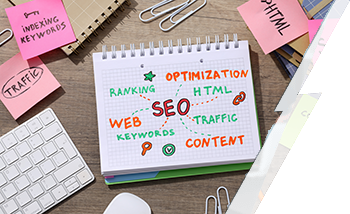
SEO stands for Search Engine Optimization. It refers to the practice of optimizing your website to rank higher in search engine results pages (SERPs). The goal is to attract organic (non-paid) traffic by making your content relevant and accessible to users and search engines.
2. Why is SEO Important for Businesses?
-
Increases online visibility
-
Drives targeted traffic to your website
-
Enhances credibility and trust
-
Improves user experience
-
Provides long-term benefits with sustainable results

3. Key Components of SEO
a) On-Page SEO
On-page SEO focuses on optimizing elements within your website, including:
-
Keyword Research: Identifying relevant search terms.
-
Quality Content: Writing valuable and engaging content.
-
Title Tags & Meta Descriptions: Improving click-through rates.
-
Header Tags (H1, H2, H3): Structuring content properly.
-
Image Optimization: Using alt text and proper file sizes.
-
Internal Linking: Connecting relevant pages within your website.
b) Off-Page SEO
Off-page SEO involves strategies outside your website to boost rankings, such as:
-
Backlinks: Earning links from reputable websites.
-
Social Media Marketing: Increasing brand awareness.
-
Guest Blogging: Writing articles for other websites.
-
Influencer Outreach: Collaborating with industry experts.
c) Technical SEO
Technical SEO ensures that search engines can easily crawl and index your site:
-
Website Speed Optimization: Faster load times improve rankings.
-
Mobile-Friendliness: A responsive design is crucial.
-
Secure Website (HTTPS): Security boosts trust and rankings.
-
XML Sitemap: Helps search engines understand your site’s structure.
-
Fixing Broken Links: Prevents a negative user experience.
4. How to Optimize Your Website for SEO
-
Conduct keyword research using tools like Google Keyword Planner.
-
Write high-quality content that answers users' queries.
-
Use proper headings, meta descriptions, and alt text.
-
Build backlinks from authoritative sources.
-
Improve page load speed with optimized images and caching.
-
Ensure your website is mobile-friendly.
-
Regularly update and refresh old content.

5. Common SEO Mistakes to Avoid
-
Keyword stuffing (overusing keywords unnaturally)
-
Ignoring mobile optimization
-
Not using alt text for images
-
Slow website speed
-
Neglecting technical SEO aspects
-
Buying low-quality backlinks
6. Benefits of SEO for Businesses
-
Higher Search Rankings: Appear on the first page of Google.
-
Cost-Effective Marketing: Organic traffic is free.
-
Increased Website Traffic: More visitors lead to more conversions.
-
Better User Experience: Optimized sites are easy to navigate.
-
Competitive Advantage: Stay ahead of competitors with a strong SEO strategy.
7. SEO Tools to Help You Succeed
-
Google Analytics: Tracks website performance.
-
Google Search Console: Monitors indexing and ranking.
-
Ahrefs: Analyzes backlinks and keywords.
-
SEMrush: Comprehensive SEO toolkit.
-
Yoast SEO (for WordPress): Helps optimize content.
8. Conclusion
SEO is a vital component of digital marketing that can significantly improve your business’s online visibility. By understanding its key elements and applying best practices, you can enhance your website’s ranking and attract more customers. Start implementing these SEO strategies today and watch your business grow.
9. Frequently Asked Questions (FAQs)
1. How long does it take to see results from SEO?
SEO is a long-term strategy. It typically takes 3 to 6 months to see noticeable improvements, but the results are lasting.
2. Can I do SEO on my own?
Yes! Many beginners successfully implement SEO using free tools and guides. However, hiring an expert can accelerate your results.
3. Is SEO only for Google?
No. While Google is the dominant search engine, SEO also applies to Bing, Yahoo, and other search platforms.
4. Does social media affect SEO?
While social media does not directly impact rankings, it increases brand visibility and drives traffic to your website, which can indirectly help SEO.
5. What is the difference between organic and paid search?
Organic search refers to free, natural rankings based on SEO, while paid search involves ads that appear at the top of search results.