



How to Optimize Your Website for Location-Based Searches
Table of Contents
- Why Location-Based Searches Matter
- Understand How Location-Based SEO Works
- Claim Your Google My Business Listing
- Incorporate Local Keywords
- Optimize for Mobile Users
- Use Localized Content Marketing
- Include Location-Specific Metadata
- Leverage Customer Reviews
- Build Local Backlinks
- Track and Adjust Your Strategy
- Conclusion
- FAQ Section
Why Location-Based Searches Matter
Location-based searches are an integral part of modern consumer behavior. People searching for “restaurants near me” or “plumbers in [city]” are likely ready to make a purchase or take action. Here’s why optimizing for these searches is essential:
- Increased Local Traffic: Approximately 76% of people who perform a nearby search visit a physical location within 24 hours.
- Higher Conversion Rates: Local searches typically result in higher intent to buy, making conversions more likely.
- Voice Search: With the rise of voice-activated devices, local queries such as “Where is the closest coffee shop?” are more common than ever.
Understand How Location-Based SEO Works
Search engines, especially Google, use various factors to determine the relevance of your business in location-based searches, including:
- Proximity: How close your business is to the searcher’s current location.
- Relevance: How well your website content matches the user’s query.
- Prominence: Your business’s online reputation, including reviews and citations.
To optimize effectively, focus on providing accurate, detailed information and maintaining a robust online presence.

Claim Your Google My Business Listing
Google My Business (GMB) is critical for local search optimization. A well-maintained GMB profile ensures your business appears in Google’s Local Pack and Google Maps results.
Steps to Claim and Optimize GMB:
- Claim Your Listing: Visit Google My Business and verify your business.
- Provide Complete Information: Include your business name, address, phone number, operating hours, and website link.
- Select the Right Categories: Choose categories that best describe your services.
- Add High-Quality Images: Upload photos of your storefront, products, or services.
- Encourage Reviews: Positive reviews improve your ranking in local searches.
Incorporate Local Keywords
Local keywords signal to search engines that your business is relevant to location-based queries.
How to Find and Use Local Keywords:
- Use tools like Google Keyword Planner or SEMrush to identify keywords with local intent, such as “dentist in Austin” or “best pizza near Central Park.”
- Add these keywords to:
- Page titles
- Meta descriptions
- Headers (H1, H2, etc.)
- Body content
- Image alt text
- Avoid keyword stuffing. Keep the content natural and user-friendly.
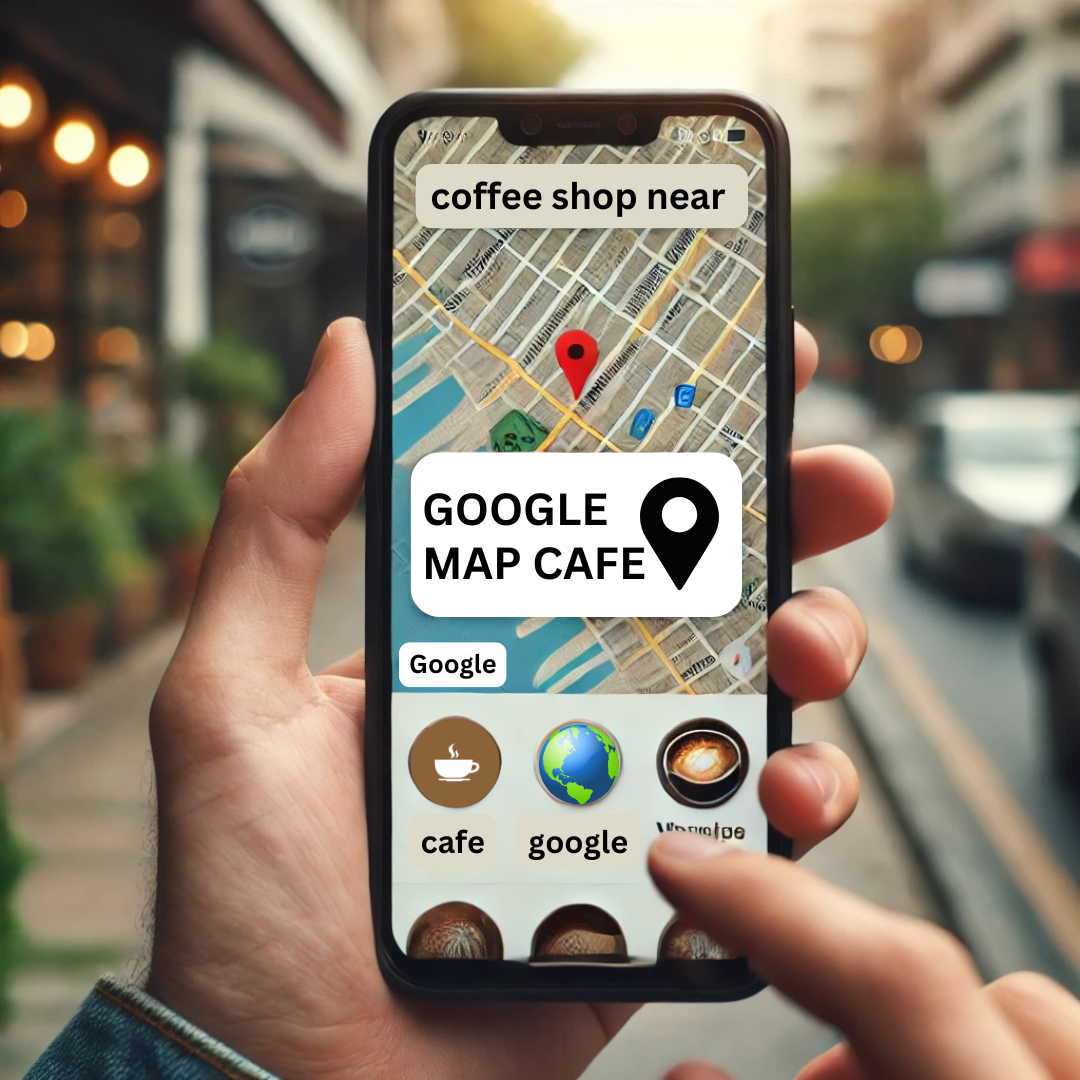
Optimize for Mobile Users
More than half of all web traffic comes from mobile devices, making mobile optimization essential for location-based searches.
Tips for Mobile Optimization:
- Use responsive web design to ensure your site adapts to all screen sizes.
- Improve site speed, as slow-loading pages frustrate users.
- Ensure clickable elements (like buttons) are easy to interact with on small screens.
- Implement click-to-call buttons for easy contact.
Use Localized Content Marketing
Creating content tailored to your local audience establishes your business as a trusted local expert.
Ideas for Localized Content:
- Blog about community events, local news, or trends relevant to your industry.
- Highlight customer success stories or testimonials from nearby clients.
- Create guides, such as “Top 10 Things to Do in [Your City].”
- Collaborate with local influencers to promote your content.
Localized content not only boosts SEO but also builds a stronger connection with your community.
Include Location-Specific Metadata
Metadata, such as title tags and meta descriptions, is essential for improving your local SEO ranking.
Best Practices:
- Title Tags: Include the city or neighborhood name alongside the primary keyword. Example: “Affordable Electricians in Miami | [Your Brand].”
- Meta Descriptions: Add location-specific information in 150-160 characters.
- Schema Markup: Implement local business schema to help search engines better understand your business.
Leverage Customer Reviews
Reviews significantly impact how search engines and potential customers perceive your business.
Encouraging and Managing Reviews:
- Ask satisfied customers to leave reviews on platforms like Google, Yelp, or Facebook.
- Respond to all reviews, whether positive or negative, to show you value customer feedback.
- Avoid fake or incentivized reviews, as they can lead to penalties.
High ratings and frequent reviews improve your search rankings and encourage more people to choose your business.

Build Local Backlinks
Backlinks from local websites signal to search engines that your business is an active part of the community.
Strategies for Earning Local Backlinks:
- Partner with local bloggers or influencers for mentions.
- Sponsor community events or charities and request a link on their websites.
- Join local business directories or chambers of commerce.
- Create shareable content, like infographics or case studies, that local organizations may link to.
Track and Adjust Your Strategy
Regularly monitor the performance of your local SEO efforts to identify what’s working and where improvements are needed.
Tools to Use:
- Google Analytics: Track website traffic and user behavior.
- Google Search Console: Monitor search performance and fix any errors.
- Rank Tracking Tools: Tools like Moz or BrightLocal help you track local keyword rankings.
By analyzing data and adjusting your strategy, you can maintain your competitive edge in local search results.
Conclusion
Optimizing your website for location-based searches is a powerful way to connect with local customers and drive business growth. By focusing on key factors like Google My Business, local keywords, mobile optimization, and customer reviews, you can ensure your business stays at the top of local search results. Start implementing these strategies today, and watch your local presence flourish!
FAQ Section
1. What are location-based searches?
Location-based searches are queries made by users seeking services or products near their current location, such as “coffee shop near me” or “plumber in [city].”
2. How do I get my business to show up in Google’s Local Pack?
Claim your Google My Business profile, provide accurate and complete information, collect positive reviews, and use local keywords on your website.
3. Why are reviews important for local SEO?
Reviews improve your online reputation, increase trust among potential customers, and signal to search engines that your business is reliable.
4. How can I find local keywords for my website?
Use keyword research tools like Google Keyword Planner or SEMrush to find search terms that include location-specific modifiers like city names or “near me.”
5. What is local schema markup, and why is it important?
Local schema markup is a type of structured data that provides search engines with detailed information about your business, such as address and hours of operation. It helps improve your visibility in local search results.
6. How can I get backlinks from local websites?
Collaborate with local businesses, sponsor events, or join directories. These activities often result in backlinks from reputable local sources.
7. Does mobile optimization affect local SEO?
Yes, since most local searches happen on mobile devices, a mobile-friendly website is essential for higher rankings and better user experience.
8. How often should I update my local SEO strategy?
Monitor your local SEO performance monthly and adjust your strategy as needed to keep up with changes in search engine algorithms or local market trends.
9. What role does social media play in local SEO?
Active social media profiles improve brand visibility and can drive traffic to your website, indirectly boosting your local SEO.
10. Can I optimize for multiple locations?
Yes, create dedicated landing pages for each location, each with unique content and keywords tailored to the specific area.