



What is Link Building? Importance, Strategies, and Benefits
Table of Contents
- Introduction to Link Building
- What is Link Building?
- Types of Links in Link Building
- Why Link Building Matters for SEO
- Benefits of Effective Link Building
- Common Link Building Strategies
- Mistakes to Avoid in Link Building
- How to Measure Link Building Success
- The Future of Link Building
- Conclusion
- FAQs
Introduction to Link Building
Link building is a crucial component of any SEO strategy. It’s about acquiring hyperlinks from other websites to your own. These hyperlinks, commonly known as backlinks, are the bridges that connect different websites, allowing users and search engines to navigate the web efficiently. But why is link building such a big deal in the SEO world? Let’s dive deeper to uncover its importance and strategies for success.
What is Link Building?
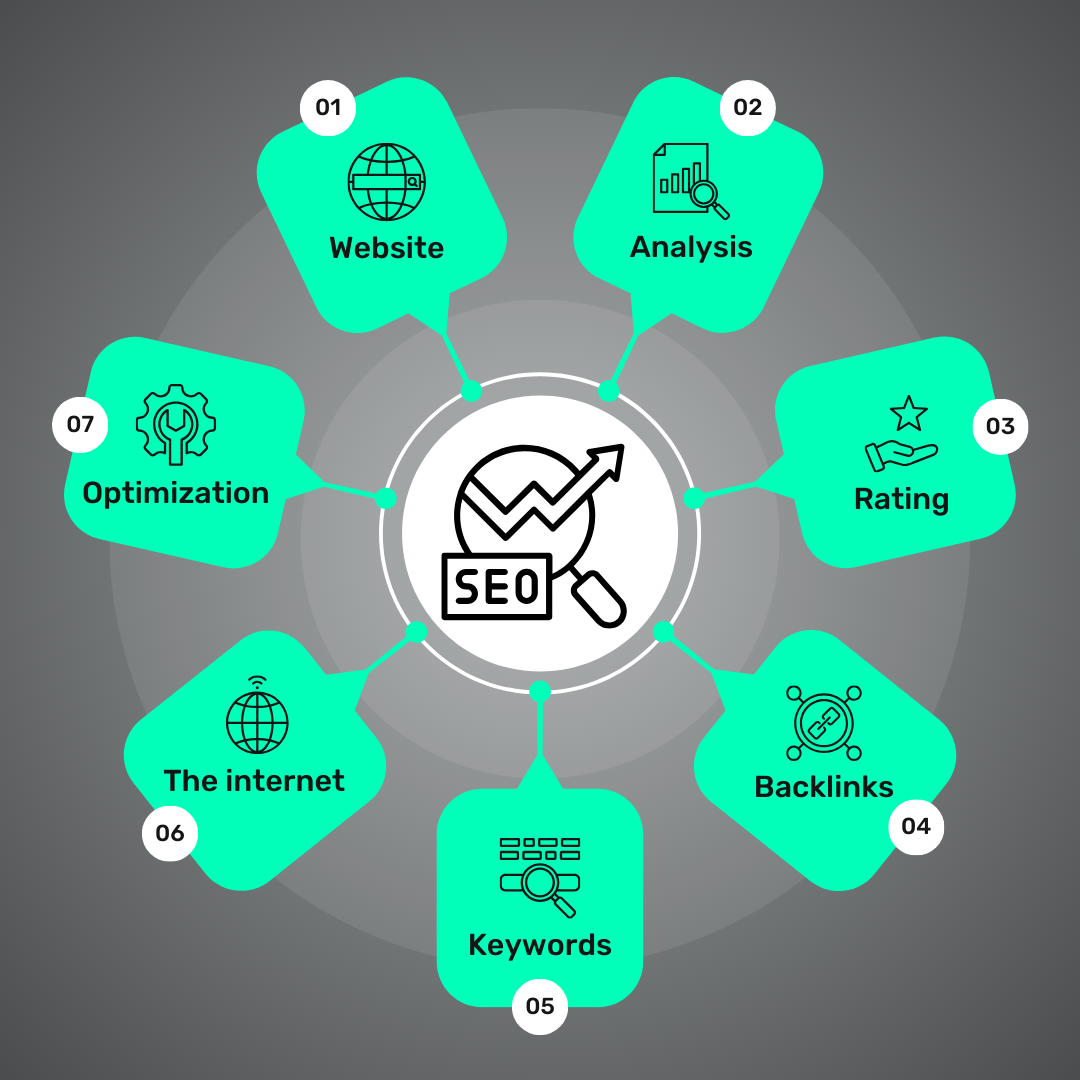
Link building refers to the process of acquiring backlinks from external websites. A backlink acts as a vote of confidence, signaling to search engines that your website is trustworthy and valuable. Think of it as a recommendation—when another site links to yours, it tells search engines that your content is worth sharing.
Backlinks are a fundamental part of Google's ranking algorithm, making link building an essential practice for improving search engine rankings and driving organic traffic to your site.
Types of Links in Link Building
-
Natural Links:
These are earned organically without any deliberate action. For example, if a blogger loves your product and links to it in their review, that's a natural link. -
Manually Built Links:
Created through deliberate actions like reaching out to other websites, asking them to link to your content. -
Self-Created Links:
These are links you place yourself, like in online directories, forum posts, or comments. However, overdoing these can harm your SEO efforts.

Why Link Building Matters for SEO
Link building matters because search engines, especially Google, use backlinks as a core ranking factor. When your site earns high-quality backlinks:
- Improved Credibility: Search engines view your site as authoritative.
- Higher Rankings: Backlinks signal relevance, helping your site climb SERPs (Search Engine Results Pages).
- Increased Traffic: Quality backlinks drive more referral traffic from authoritative sites.
Without backlinks, even the best content can remain invisible to your target audience.
Benefits of Effective Link Building
-
Boosts Website Authority
Backlinks from high-authority domains enhance your website's credibility in your industry. -
Enhances Organic Rankings
Google sees backlinks as a vote of confidence, improving your site's rankings. -
Drives Referral Traffic
Links from relevant sites can send targeted traffic to your website. -
Builds Brand Awareness
When your content appears on authoritative sites, it boosts your brand's reputation. -
Establishes Industry Connections
Reaching out for backlinks fosters relationships with other professionals in your field.
Common Link Building Strategies
-
Content Creation and Promotion
Creating high-quality, valuable content that naturally earns backlinks. -
Guest Blogging
Writing articles for other websites in exchange for a backlink. -
Broken Link Building
Finding broken links on other sites and suggesting your content as a replacement. -
Skyscraper Technique
Improving on popular content and asking sites to link to your improved version. -
Directory Submissions
Submitting your site to relevant directories for a backlink. -
Social Media Engagement
Sharing content on social platforms to encourage sharing and linking. -
Influencer Outreach
Collaborating with influencers to promote your content.
Mistakes to Avoid in Link Building
-
Buying Links:
Google penalizes websites that purchase backlinks, as it violates their guidelines. -
Overusing Anchor Text:
Excessive use of the same anchor text can raise red flags with search engines. -
Low-Quality Links:
Links from spammy or irrelevant sites can hurt your rankings. -
Ignoring Relevance:
Backlinks from unrelated niches provide little to no value. -
Not Diversifying Links:
Relying on one type of link-building strategy can limit your growth potential.
How to Measure Link Building Success
-
Domain Authority (DA):
Monitor your website’s DA to see if it’s improving over time. -
Backlink Quantity and Quality:
Use tools like Ahrefs or SEMrush to analyze the number and quality of backlinks. -
Traffic Increases:
Observe if referral traffic from backlinks is growing. -
SERP Rankings:
Keep an eye on whether your targeted keywords are ranking higher. -
Engagement Metrics:
Check metrics like bounce rate and average time on page for referred traffic.
The Future of Link Building
The future of link building is moving towards creating genuinely valuable connections. Instead of focusing solely on quantity, businesses will prioritize quality and relevance. Tactics like leveraging AI for content promotion, building relationships within online communities, and focusing on user intent will define the next era of link building.
Search engines are also becoming smarter at detecting manipulative practices. This means staying ethical and following best practices will remain essential.
Conclusion
Link building is a cornerstone of successful SEO. It not only boosts your rankings but also enhances your brand visibility and drives meaningful connections in your industry. However, it requires a strategic approach to be effective. Focus on quality, relevance, and ethical practices to ensure long-term success.
FAQs: Get Link Building Savvy!
1. What is the main purpose of link building?
The main purpose is to improve search engine rankings and drive organic traffic by earning high-quality backlinks.
2. How long does it take for link building to show results?
It typically takes 3-6 months to see noticeable improvements in rankings, depending on your niche and competition.
3. What are high-quality backlinks?
Backlinks from authoritative, relevant, and trusted websites are considered high-quality.
4. Can I do link building myself?
Yes, you can! Strategies like guest blogging and creating shareable content are beginner-friendly.
5. Is link building still important in 2024?
Absolutely! Backlinks remain a top-ranking factor in search engine algorithms.
6. How do I avoid link-building penalties?
Avoid buying links, over-optimizing anchor text, and using spammy websites for backlinks.
7. What tools help with link building?
Tools like Ahrefs, SEMrush, and Moz are excellent for tracking backlinks and opportunities.
8. Are internal links part of link building?
Not directly, but internal links improve site navigation and SEO, complementing external link efforts.
9. How much does link building cost?
Costs vary widely, from free strategies like content creation to paid services ranging from $100 to $10,000+.
10. What is the most effective link-building strategy?
Creating high-quality, unique content that naturally attracts backlinks is the most effective strategy.