


SEO Basics for Beginners: A Complete Guide
Table of Contents
- Introduction to SEO for Beginners
- Understanding the Importance of SEO
- Key Components of SEO
- On-Page SEO
- Off-Page SEO
- Technical SEO
- Keyword Research Basics
- Creating SEO-Friendly Content
- The Role of Links in SEO
- Measuring SEO Success
- Common SEO Mistakes to Avoid
- SEO Tools for Beginners
- FAQs about SEO for Beginners
- Conclusion
SEO Basics for Beginners: A Comprehensive Guide
Introduction to SEO for Beginners
In today’s digital world, SEO (Search Engine Optimization) has become essential for businesses and websites aiming to reach a larger audience. But what exactly is SEO, and why should beginners understand its basics? This guide will walk you through SEO fundamentals, key concepts, and effective strategies to help you get started with confidence.
Understanding the Importance of SEO
SEO is a set of practices designed to improve a website’s visibility on search engines like Google. When done correctly, SEO increases the chances of your website appearing in top search results, driving more organic traffic to your site. Understanding SEO basics will set you on a path to attract more visitors, build credibility, and ultimately grow your business.
Key Components of SEO
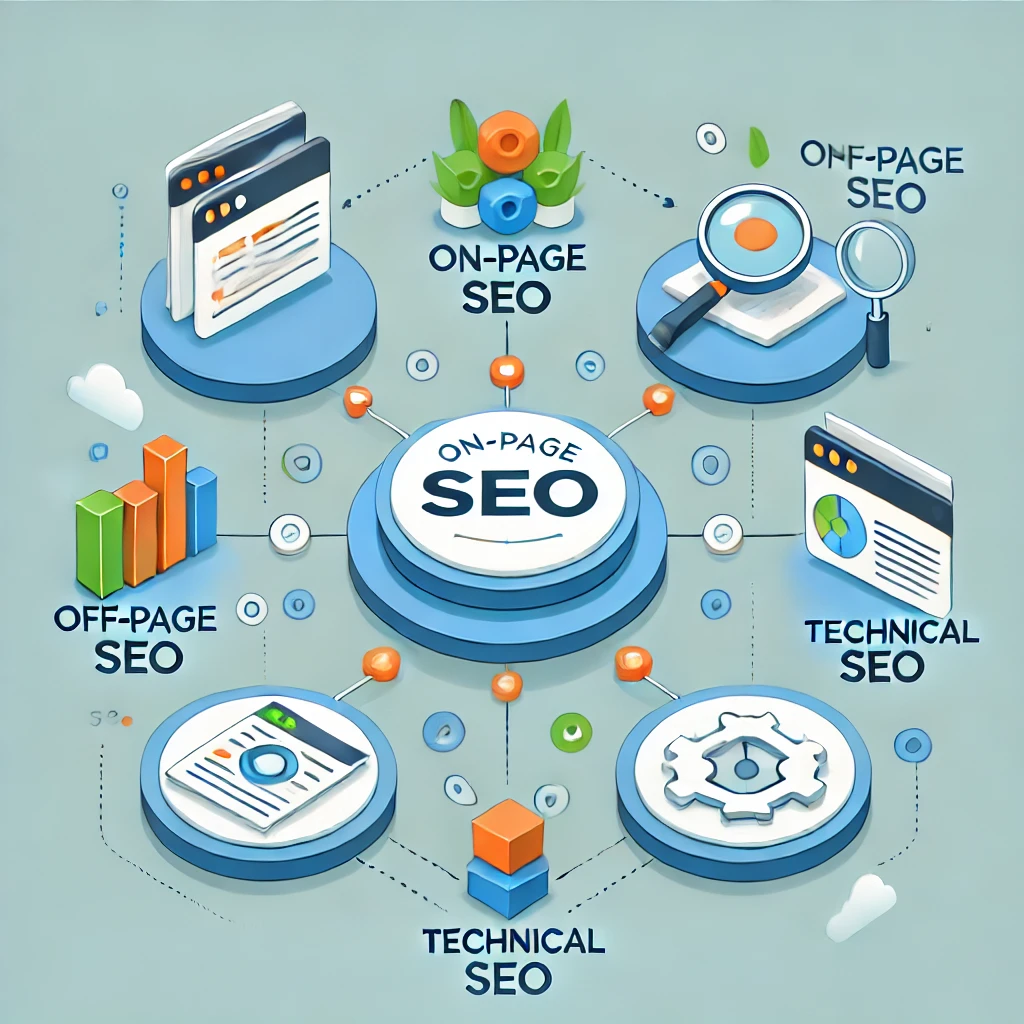
1. On-Page SEO
On-page SEO focuses on optimizing elements within your website. Here’s what to look out for:
- Title Tags and Meta Descriptions: Use descriptive and keyword-rich titles and meta descriptions to tell search engines and users about your page.
- Header Tags: Structure your content with H1, H2, H3 tags to improve readability and emphasize important information.
- Image Optimization: Ensure images are appropriately compressed and include alt text for better accessibility and SEO.
2. Off-Page SEO
Off-page SEO revolves around building credibility outside your website, primarily through backlinks. When other trusted sites link to your content, it signals to search engines that your site is trustworthy and relevant.
- Backlinks: Focus on getting quality links from reputable sites.
- Social Media Engagement: Boost your visibility by sharing content on social media to increase brand awareness and traffic.
3. Technical SEO
Technical SEO ensures search engines can easily crawl, index, and navigate your site. Key areas include:
- Website Speed: Faster websites offer better user experiences and are preferred by search engines.
- Mobile-Friendliness: Ensure your site is mobile-responsive to accommodate users on different devices.
- XML Sitemaps and Robots.txt: These files help search engines understand your site structure and guide their crawlers effectively.
Keyword Research Basics
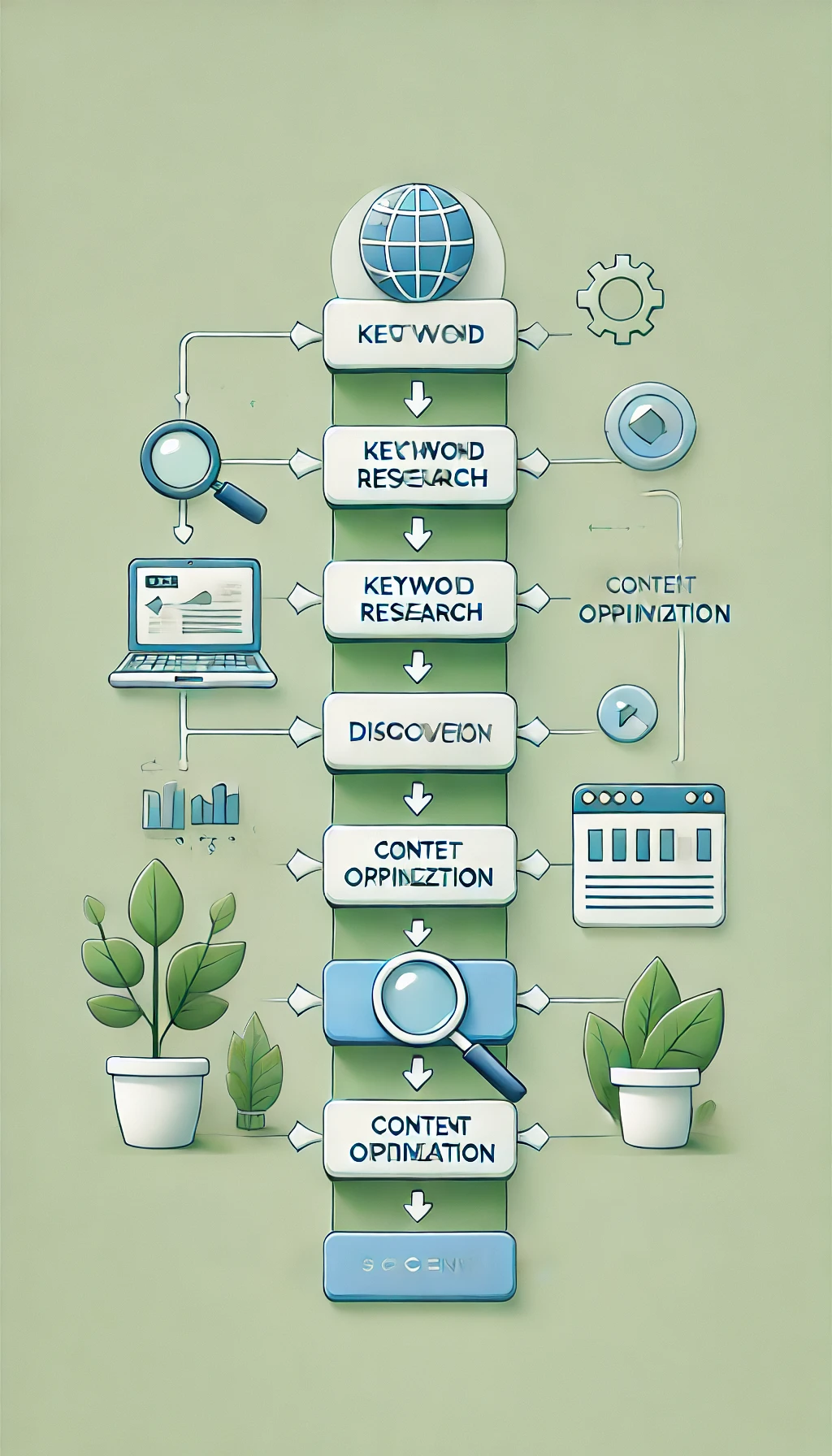
Keyword research is foundational to any SEO strategy. By identifying the words and phrases your audience uses, you can tailor your content to match search intent.
- Identify Relevant Keywords: Use tools like Google Keyword Planner or Ubersuggest to discover keywords that align with your content.
- Focus on Long-Tail Keywords: Longer keywords are often less competitive and have a clearer intent, making it easier to rank.
- Analyze Search Volume and Competition: Look for keywords with good search volume and low to moderate competition to start ranking.
Creating SEO-Friendly Content
Great SEO starts with valuable, engaging content. Here’s how to create SEO-friendly content:
- Write for Humans, Optimize for Search Engines: Prioritize readability while incorporating keywords naturally.
- Use Internal Links: Link to other relevant pages on your website to keep users engaged and distribute authority across your site.
- Optimize for Featured Snippets: Structured content, lists, and questions can help you land in Google’s featured snippets, giving you a visibility boost.
The Role of Links in SEO
Links are the backbone of SEO, helping search engines understand the relevance and quality of your content.
- Internal Links: These links connect different pages within your website, enhancing site structure and guiding users.
- External Links: Linking to high-authority sites signals reliability, but ensure the sites you link to are credible.
- Backlinks: Earning links from other reputable sites strengthens your domain authority and credibility.
Measuring SEO Success
Tracking SEO performance allows you to see what’s working and where you can improve.
- Google Analytics: A free tool to measure traffic sources, user behavior, and conversions.
- Google Search Console: Offers insights on keywords, click-through rates, and technical issues affecting your site.
- Key Metrics: Focus on organic traffic, bounce rate, keyword rankings, and conversion rates to assess the success of your SEO efforts.
Common SEO Mistakes to Avoid
Here are a few mistakes beginners often make:
- Keyword Stuffing: Overusing keywords disrupts readability and can lead to search engine penalties.
- Ignoring Mobile Users: Not optimizing for mobile devices limits your audience.
- Overlooking Meta Descriptions: Well-crafted meta descriptions encourage clicks and improve rankings.
SEO Tools for Beginners
Several tools can simplify your SEO efforts. Here are a few to get started:
- Google Keyword Planner: Find new keywords and gauge their competition.
- Yoast SEO (for WordPress users): A plugin to optimize on-page SEO elements.
- Ahrefs and SEMrush (for in-depth research): Track keyword rankings, analyze competitors, and discover backlink opportunities.
Frequently Asked Questions About SEO for Beginners
1. What does SEO stand for?
SEO stands for Search Engine Optimization, a practice that helps websites rank higher on search engines.
2. How long does it take for SEO to work?
SEO is a long-term strategy, typically taking 3-6 months to see noticeable results depending on the competition.
3. Do I need technical skills to start with SEO?
Basic SEO can be done without technical skills, but understanding some technical elements can improve results.
4. How often should I update my SEO?
Regular updates are essential. Refreshing content and reviewing keyword performance every few months is recommended.
5. What’s the difference between on-page and off-page SEO?
On-page SEO refers to optimizing content on your site, while off-page SEO focuses on external factors like backlinks.
6. Can social media impact SEO?
Yes, although indirectly. Increased social shares can drive more traffic, which can positively affect SEO.
7. Are there free tools for SEO beginners?
Yes, tools like Google Keyword Planner, Google Analytics, and Google Search Console are free and beginner-friendly.
8. How important is mobile optimization?
Mobile optimization is crucial since most searches come from mobile devices. Google also prioritizes mobile-friendly sites.
9. What are long-tail keywords?
Long-tail keywords are longer, more specific keyword phrases that often have less competition.
10. Should I use paid ads for SEO?
Paid ads won’t directly impact SEO but can drive immediate traffic while your SEO efforts build traction.